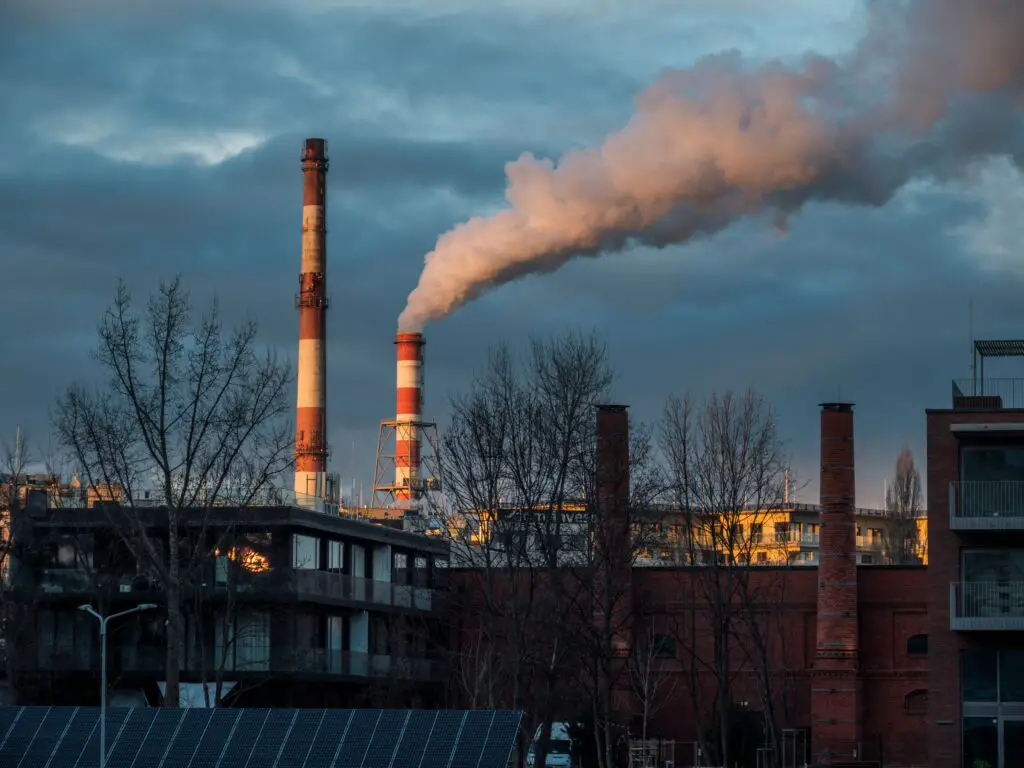

As cities and states across North America accelerate their climate policies, Portland, Oregon has taken a bold and locally tailored approach to decarbonizing transportation fuel. In 2026, Portland’s renewable fuel blend mandate will significantly reshape the city’s fuel market by requiring that at least 50 percent of all diesel sold within city limits contain renewable fuel, such as biodiesel or renewable diesel. This transition marks a major shift on the West Coast toward cleaner fuel use and provides a blueprint for other municipalities considering aggressive climate action. Portland.gov+1
In this comprehensive article we will explore why Portland’s mandate matters, the history and policy context, implications for fuel suppliers and markets, and environmental and economic impacts going into 2026. We break down complexities into digestible parts, so readers new to the topic can understand both the local and broader significance of this policy.
Why Portland’s Renewable Fuel Mandate Is in the News
In October 2025, energy market analysts reported on Portland’s rapidly evolving Renewable Fuel Standard (RFS), which increases the minimum renewable blend in diesel to 50 percent by volume starting July 1, 2026. This requirement represents an aggressive leap from previous levels, driving demand for lower-carbon fuels as the city pursues its climate goals. OPIS, A Dow Jones Company
Unlike state or federal renewable fuel mandates that apply across broad regions, Portland’s policy is municipal and detailed in its implementation and compliance guidelines. It is part of Portland’s broader climate strategy, including achieving 99 percent renewable fuel blends by 2030. Portland.gov
The History and Policy Context
Portland’s renewable fuel efforts trace back to earlier City Code updates intended to reduce dependence on fossil fuels and cut local greenhouse gas emissions. Diesel combustion is responsible for a significant portion of the city’s transportation emissions, particularly from heavy-duty vehicles and freight operations. Portland.gov
In 2022, Portland’s City Council unanimously adopted amendments to the Renewable Fuel Standard (Chapter 16.60 of city code), setting in motion a phased increase in required renewable fuel content. This policy builds on both Oregon’s Clean Fuels Program at the state level and market signals that renewable biomass-based diesel fuels are becoming more available. Portland.gov
Under the updated code:
- 2024 required a minimum of 15 percent renewable content in diesel fuel.
- 2026 mandates increase to 50 percent renewable diesel or biodiesel by volume.
- 2030 calls for 99 percent renewable fuel content for diesel sales in Portland. Portland.gov
Changing these requirements required years of research, stakeholder engagement, and alignment with broader climate commitments made in Portland’s Climate Emergency Declaration and local emissions reduction targets. Portland.gov
What “50 Percent Renewable Fuel Blend” Actually Means
In practical terms, the 2026 mandate means that for every 100 gallons of diesel sold in Portland, at least 50 gallons must be biodiesel, renewable diesel, or another qualifying biofuel that meets lifecycle carbon intensity standards. The new rule applies to fuel distributors, retailers, and wholesale purchaser-consumers operating within city limits. Portland.gov
To ensure that the renewable fuels used in Portland deliver genuine climate benefits, the policy includes a carbon intensity standard, setting a maximum threshold (40 grams CO₂ equivalent per megajoule of energy) for fuels used to meet the requirement. This ensures that only lower-carbon biofuels qualify, rather than fuels derived from feedstocks with higher lifecycle greenhouse gas emissions. Portland.gov
Implications for the Fuel Market
Surging Demand for Renewable Diesel and Biodiesel
The jump from 15 percent to 50 percent renewable content will dramatically increase demand for renewable fuels in the Portland fuel market. Renewable diesel and biodiesel must be sourced in significantly greater volumes by suppliers and integrated into terminal infrastructure to meet the 2026 requirement. OPIS, A Dow Jones Company
This creates opportunities for renewable fuel producers, especially those focused on low-carbon fuels made from recycled feedstocks such as used cooking oil, waste greases, and other byproducts. These renewable fuels typically have 60 to 80 percent lower lifecycle carbon emissions compared with conventional petroleum diesel. Portland.gov
Infrastructure and Distribution Challenges
Achieving a 50 percent blend statewide will test existing fuel distribution systems. Terminal capacity, storage, blending facilities, and delivery logistics must expand or adapt to handle much higher volumes of renewable diesel and biodiesel. These adjustments require planning and investment to avoid supply bottlenecks or regional price volatility. OPIS, A Dow Jones Company
Pricing and Market Signals
Renewable diesel is often more expensive than petroleum diesel due to feedstock and production costs, though price differences have narrowed in some markets thanks to federal and state credit programs. As Portland’s mandate takes effect, market participants will need transparent pricing signals and benchmarks to manage risk and structure compliance strategies. Analysts note that OPIS and other industry observers will begin publishing detailed renewable diesel price assessments to support the evolving market. OPIS, A Dow Jones Company
Economic and Environmental Impacts
Cleaner Air and Lower Emissions
The environmental rationale behind Portland’s renewable fuel policy is strong. Increasing renewable fuel use can significantly reduce carbon emissions from diesel combustion, which is a major contributor to both greenhouse gases and local air pollutants. Reductions in diesel particulate matter directly correlate with improved public health outcomes, particularly in neighborhoods near major freight corridors and highways. Portland.gov
By another measure, renewable diesel and biodiesel contribute to lower lifecycle greenhouse gas emissions overall, helping the city reduce its carbon footprint ahead of federal or state actions. Broader adoption of these fuels supports Oregon’s ambition to decarbonize its transportation sector and meet climate goals. Oregon.gov
Economic Opportunities and Challenges
For fuel distributors and wholesalers, the mandate offers new market opportunities while also requiring investment in supply adjustment and compliance systems. Renewable fuel producers may benefit from increased demand for low-carbon biofuels through the mid-2020s and beyond.
However, the transition also carries some economic risks. If renewable fuel supply fails to meet demand, or if infrastructure adaptation lags, prices at the pump could increase temporarily. Local authorities have structured the phase-in to reduce this risk, including the ability to adjust rules if supply or pricing conditions deteriorate. Portland.gov
Who Is Most Affected
Fuel Suppliers and Terminal Operators
Distributors and terminal operators must plan for the 50 percent renewable requirement by securing fuel volumes that meet the carbon intensity criteria and adjusting logistics to blend and deliver these fuels. Compliance reporting and record-keeping are also part of the new requirements. Portland.gov
Trucking, Construction, and Fleet Operators
Heavy diesel vehicle fleets such as local freight, public transportation, and construction machinery will operate with higher renewable fuel blends in their tanks. This may require review of fuel warranties and maintenance practices, though renewable diesel is chemically compatible with existing engines and infrastructure at many blend levels. Portland.gov
Communities Impacted by Air Pollution
Communities situated near traffic corridors, freight hubs, and industrial facilities stand to benefit from cleaner air as particulate emissions decline with higher renewable fuel use. These environmental justice benefits are a major driver of the policy. Portland.gov
Practical Takeaways for 2026
- The mandate kicks in on July 1, 2026, requiring at least 50 percent renewable content in diesel sold in Portland. Portland.gov
- Supply chain coordination will be crucial, with both suppliers and terminals adjusting to higher demand for low-carbon biofuels. OPIS, A Dow Jones Company
- Environmental benefits include lower greenhouse gas emissions and improved urban air quality for residents. Portland.gov
- Economic impacts may include infrastructure investment and potentially shifts in pricing dynamics, though the phased approach aims to ease the transition. Portland.gov
Portland’s renewable fuel blend mandate stands as a prominent example of local action driving real change in the fuel market. Its implications reach well beyond city borders, highlighting how targeted policy can accelerate the transition to cleaner energy and lower emissions without waiting for broader federal mandates. For fuel market participants and clean energy advocates, understanding and preparing for this shift will be essential in the coming years.